Vincent van Gogh (1853–1890) was a Dutch Post-Impressionist painter known for his expressive brushwork, bold colors, and emotionally charged compositions. Despite struggling with mental health issues and financial difficulties throughout his life, he created over 2,000 artworks, including about 860 oil paintings, many of which became some of the most famous and influential in Western art.
Born in the Netherlands, Van Gogh initially pursued various careers, including working as an art dealer and a missionary, before fully dedicating himself to painting in his late 20s. His early works depicted peasant life and dark, earthy tones, but after moving to France in 1886, he developed a brighter, more vibrant palette influenced by Impressionism and Japanese prints.
Van Gogh’s most productive period was in Arles, France (1888–1889), where he painted many of his masterpieces. However, his mental health deteriorated, leading to his famous incident of cutting off part of his ear. He spent time in psychiatric hospitals but continued to paint passionately. In 1890, at the age of 37, he died from a gunshot wound, widely believed to be self-inflicted.
Although Van Gogh only sold one painting in his lifetime, his work gained immense recognition after his death, influencing generations of artists and becoming some of the most celebrated art in history.
Notable Paintings by Vincent van Gogh
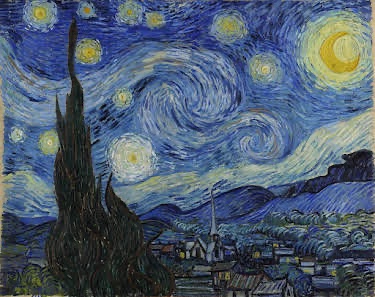
A swirling, dreamlike night sky painted during his stay at a mental asylum in Saint-Rémy.
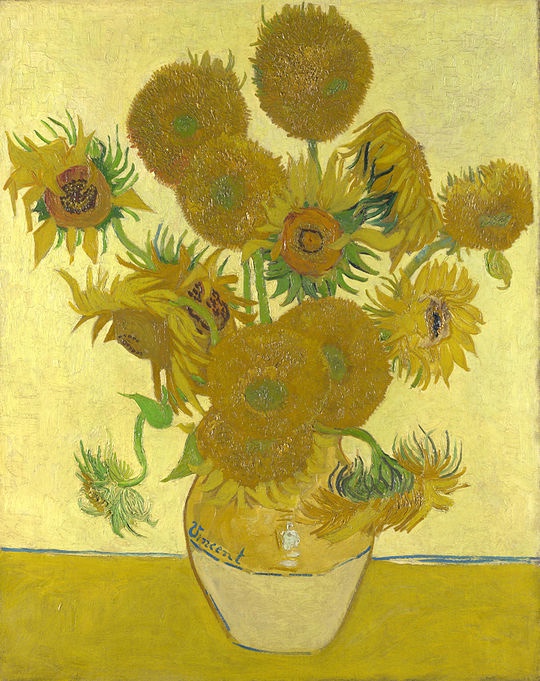
Sunflowers (1888–1889)
A series of bright yellow sunflower still lifes, created to decorate his home in Arles.
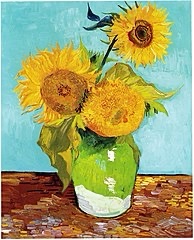
Sunflowers (1888–1889)
A series of bright yellow sunflower still lifes, created to decorate his home in Arles.
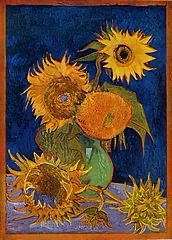
Sunflowers (1888–1889)
A series of bright yellow sunflower still lifes, created to decorate his home in Arles.
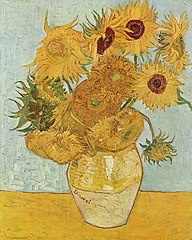
Sunflowers (1888–1889)
A series of bright yellow sunflower still lifes, created to decorate his home in Arles.
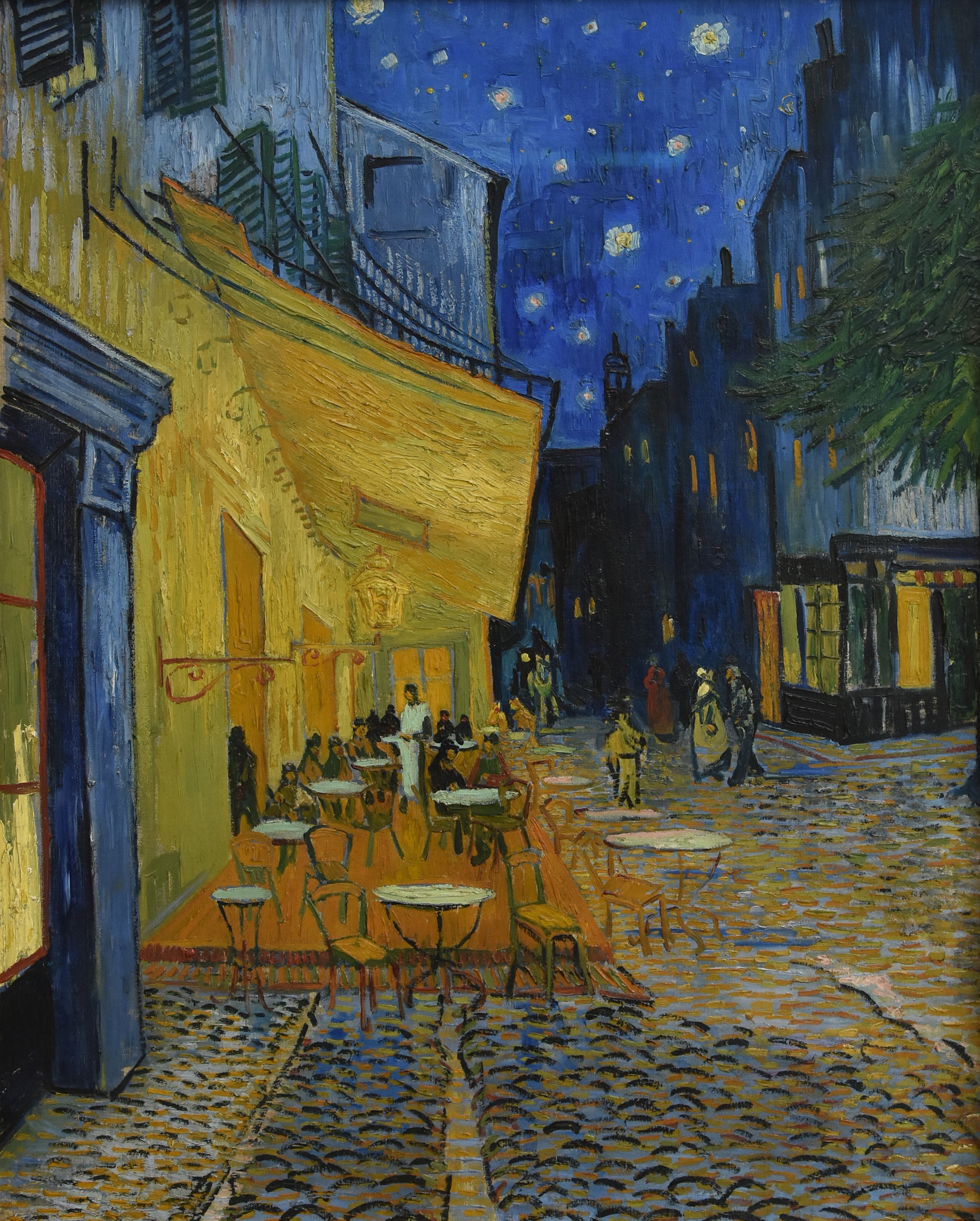
A vibrant nighttime café scene in Arles, one of the first to feature his signature starry sky.
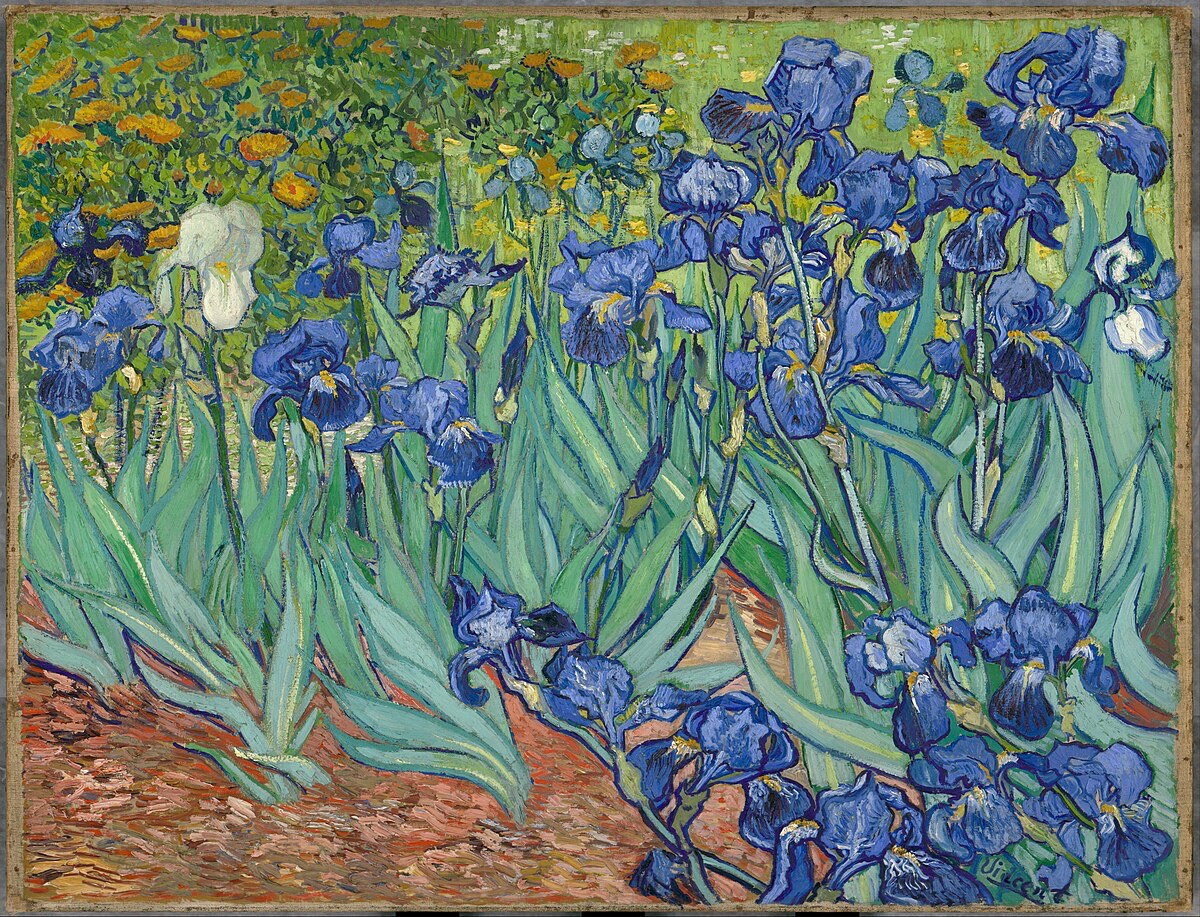
A colorful and dynamic painting of irises, painted while in the asylum.
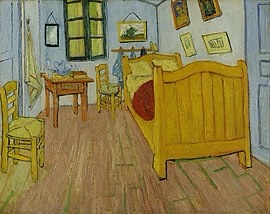
A depiction of his bedroom in Arles, with bold colors and a slightly distorted perspective.
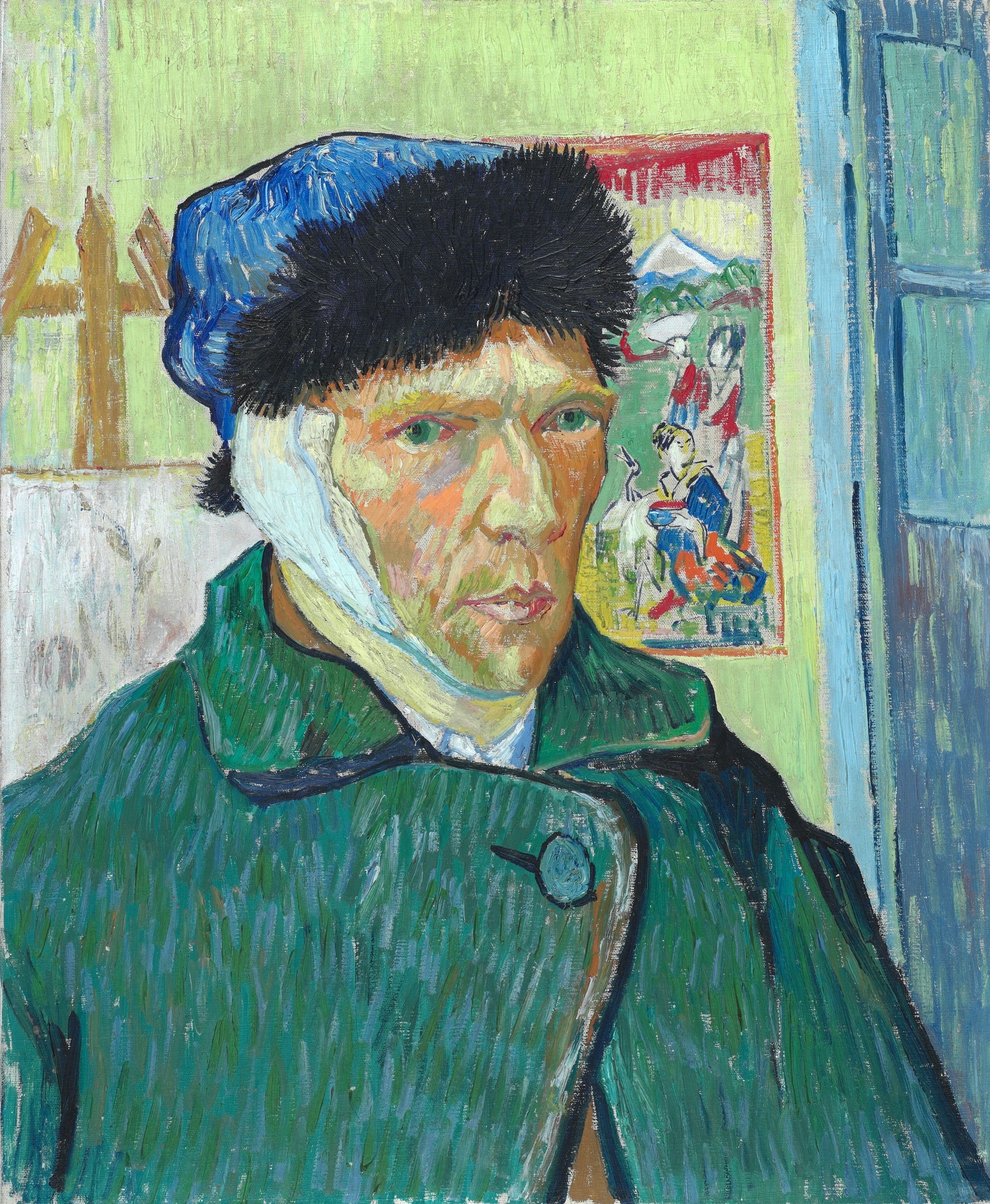
A haunting self-portrait after the infamous ear-cutting incident.
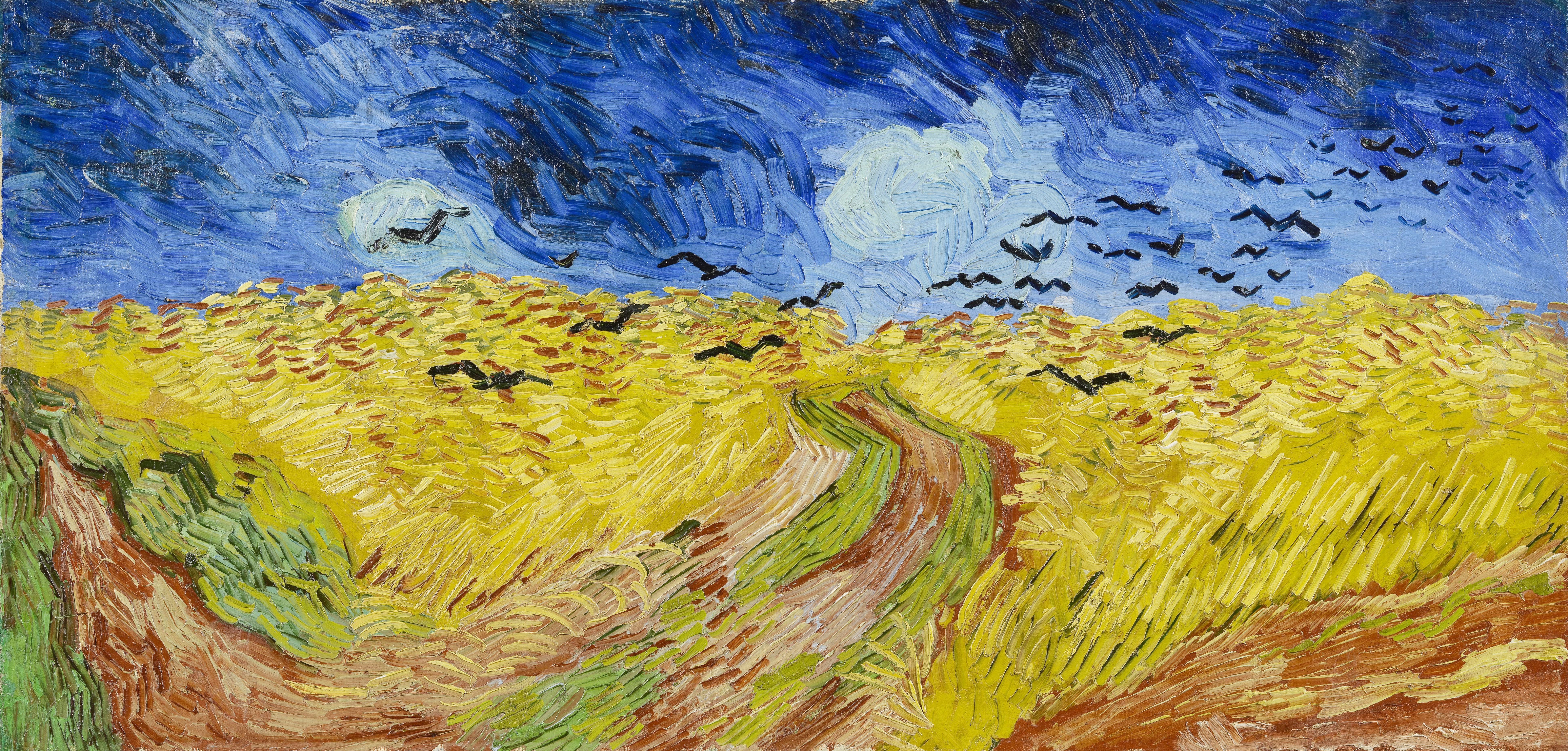
One of his final paintings, featuring a stormy wheat field under a sky filled with crows.
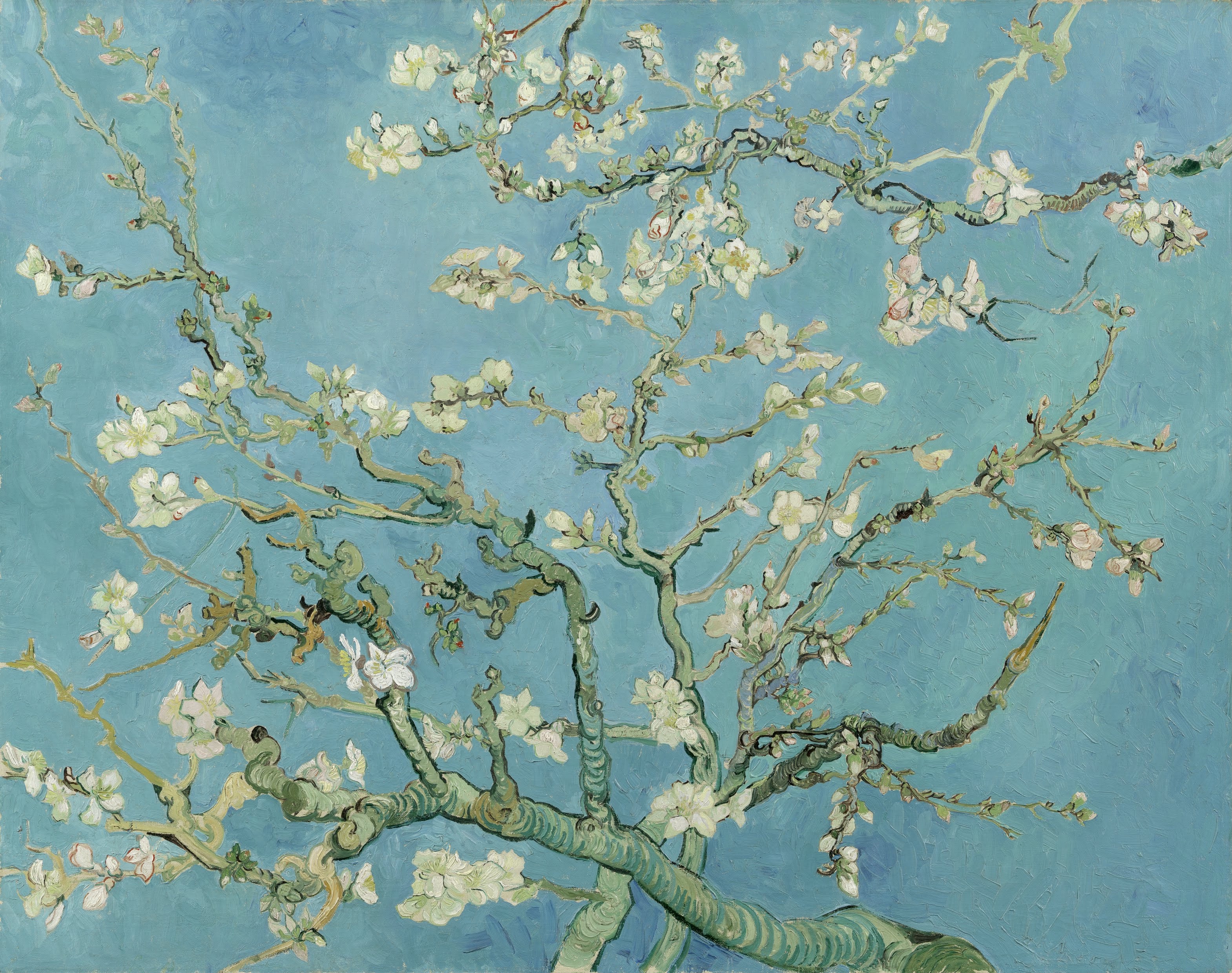
A delicate and peaceful painting of almond tree branches, symbolizing new life, created for his newborn nephew.
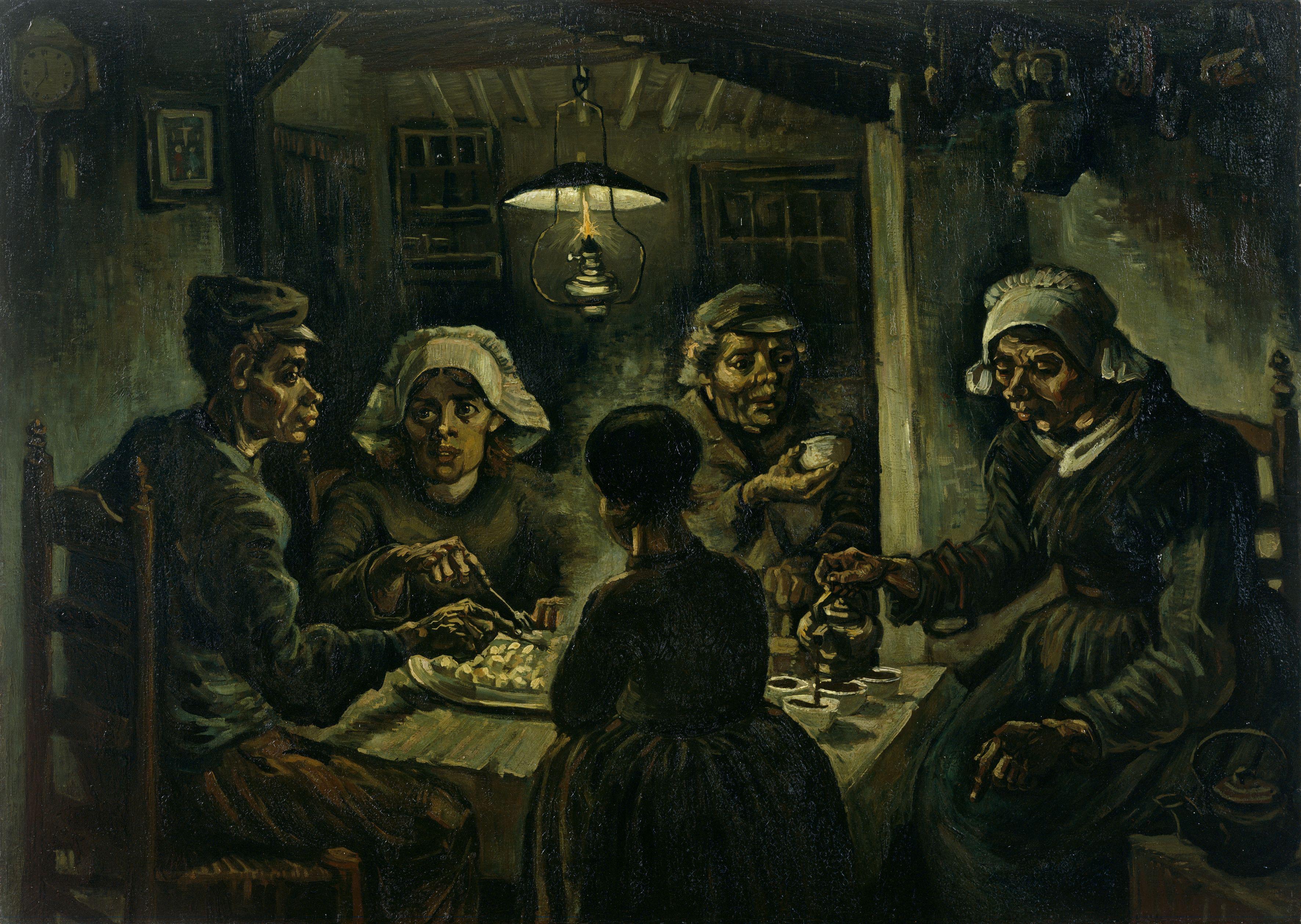
A dark, early work depicting Dutch peasants, showcasing his interest in realism before his Impressionist influence.
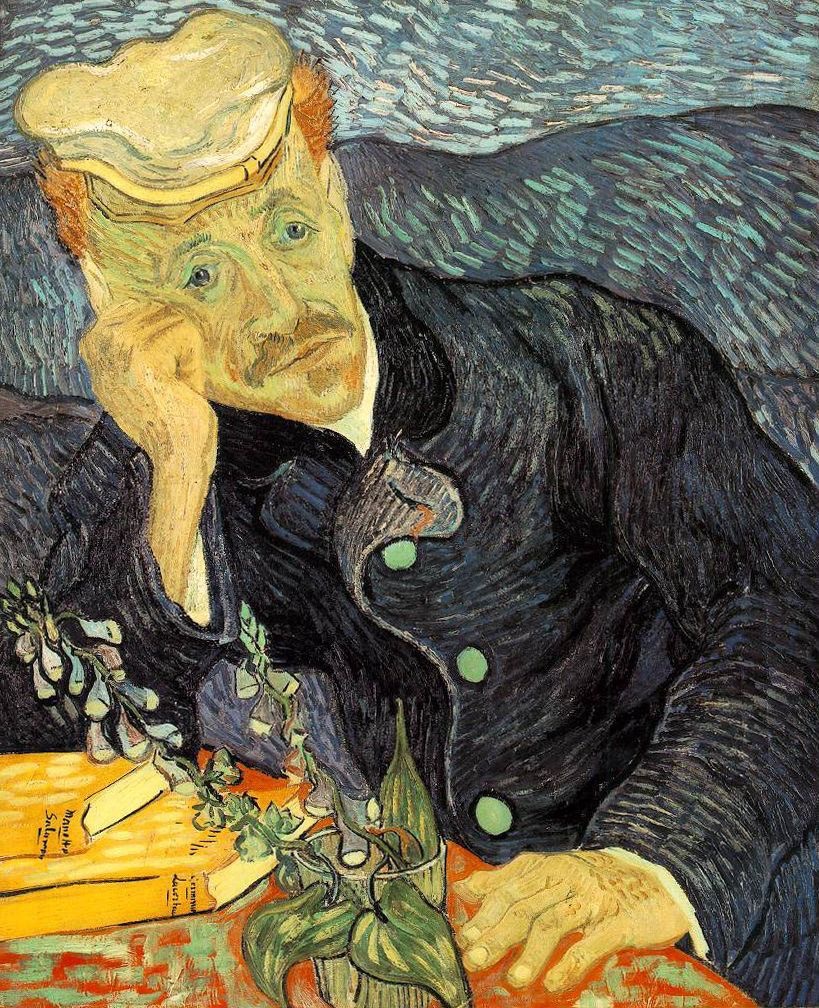
A touching portrait of his doctor and friend, known for its melancholic expression.
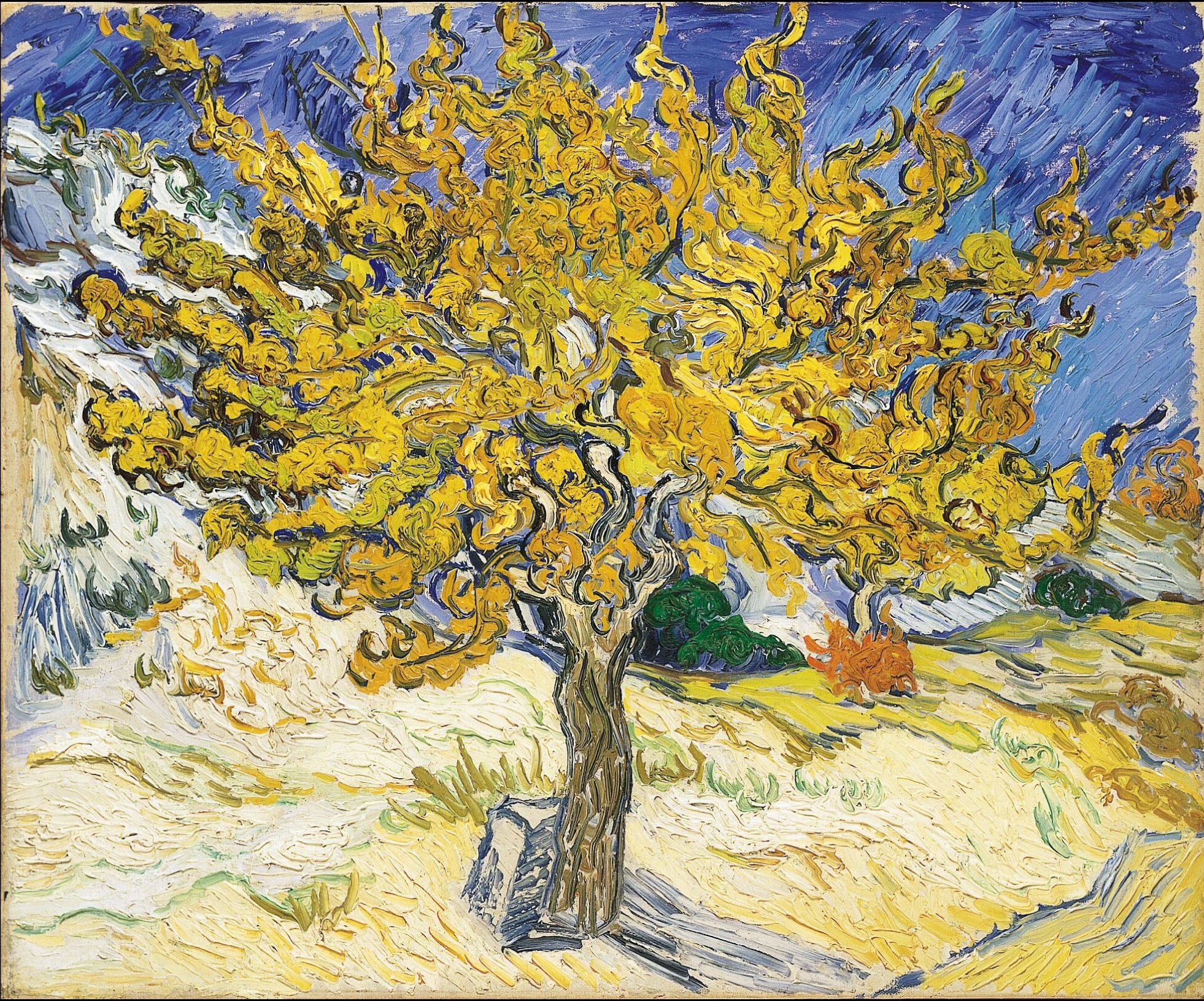
A vibrant depiction of a twisted mulberry tree, painted while Van Gogh was at the Saint-Rémy asylum.
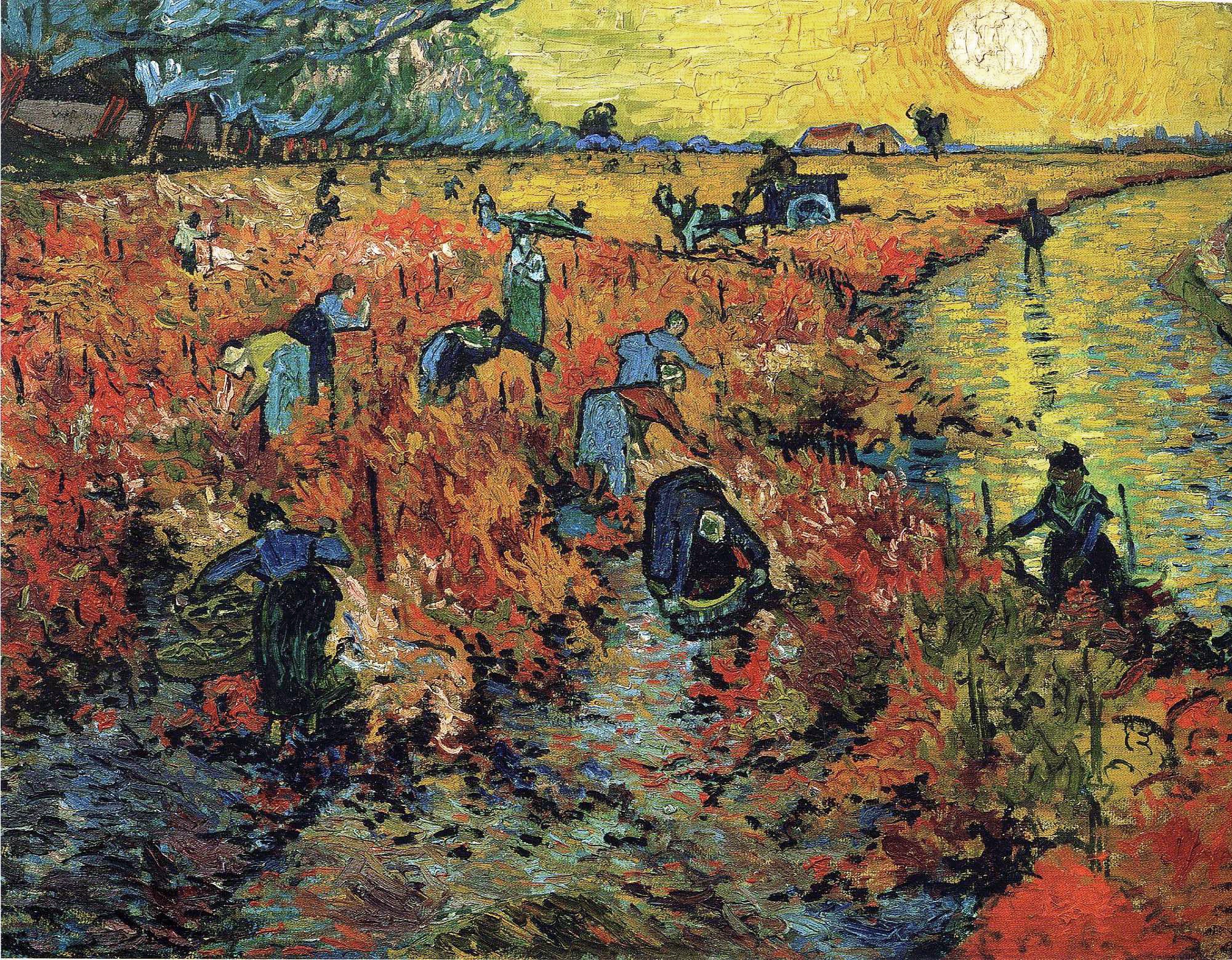
The only painting Van Gogh is known to have sold during his lifetime, showing workers in a glowing red and yellow vineyard.
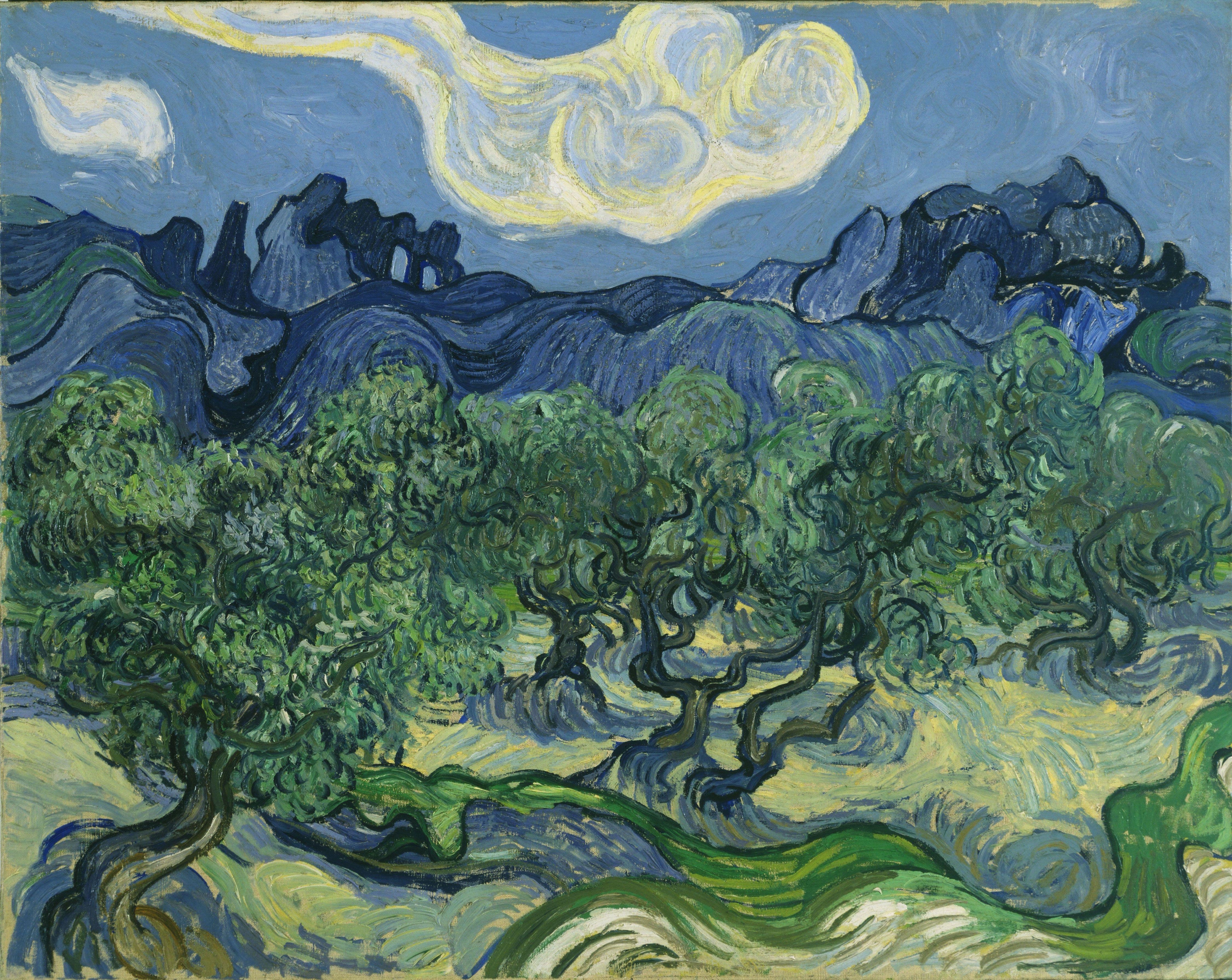
A swirling, textured painting of olive trees set against rolling hills in southern France.
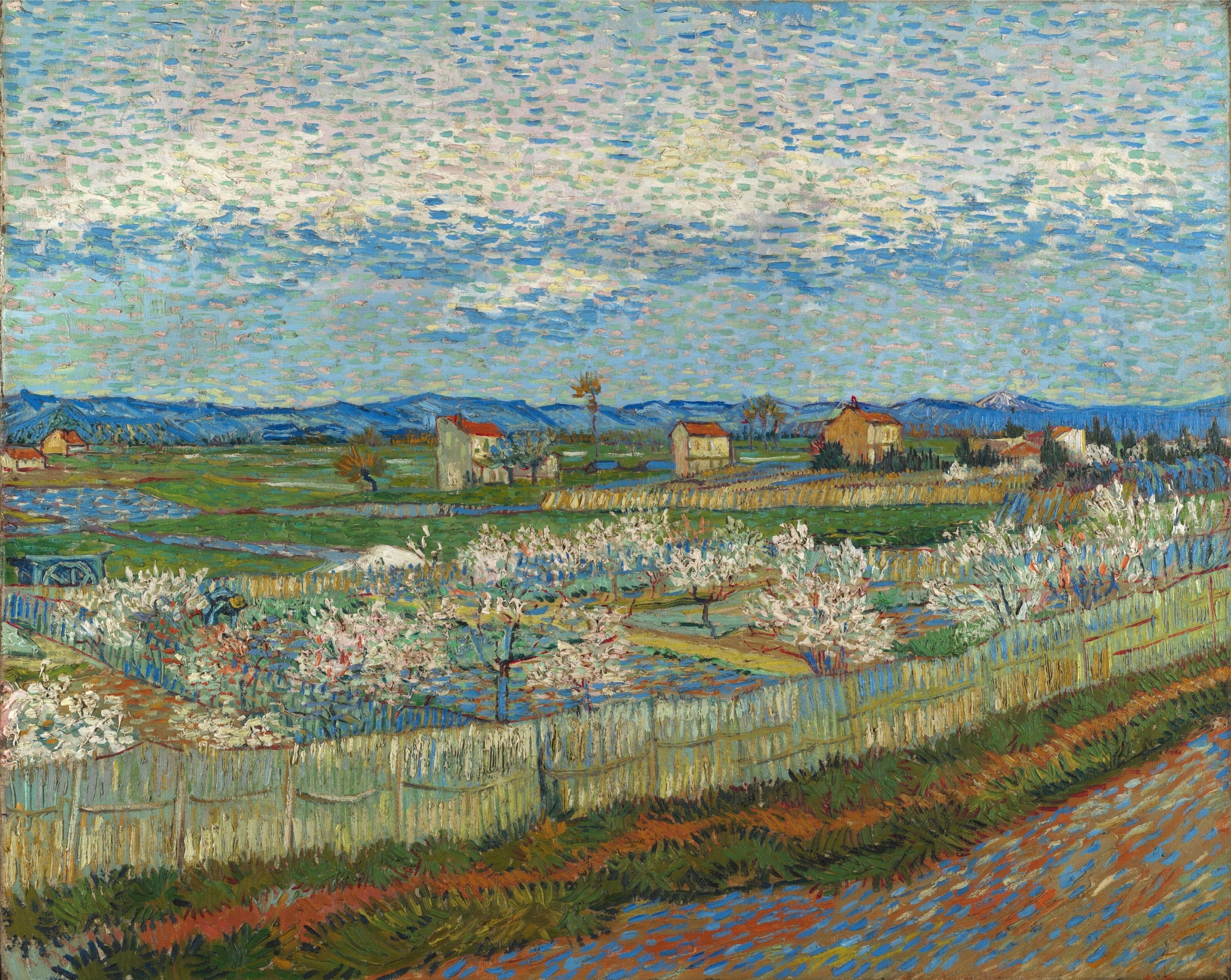
A peaceful and bright landscape of blossoming trees in the countryside near Arles.
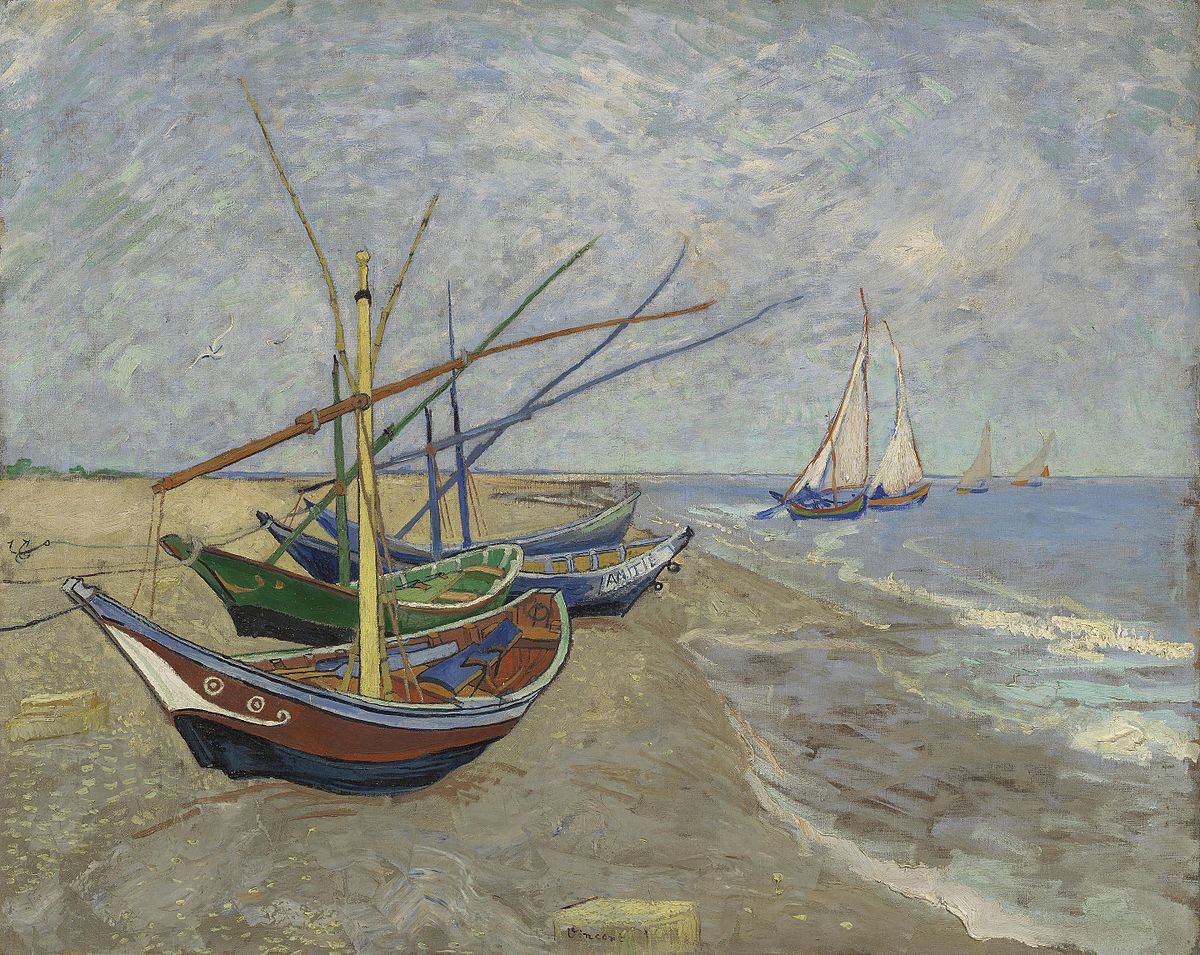
A vivid seascape capturing small fishing boats on the Mediterranean coast.
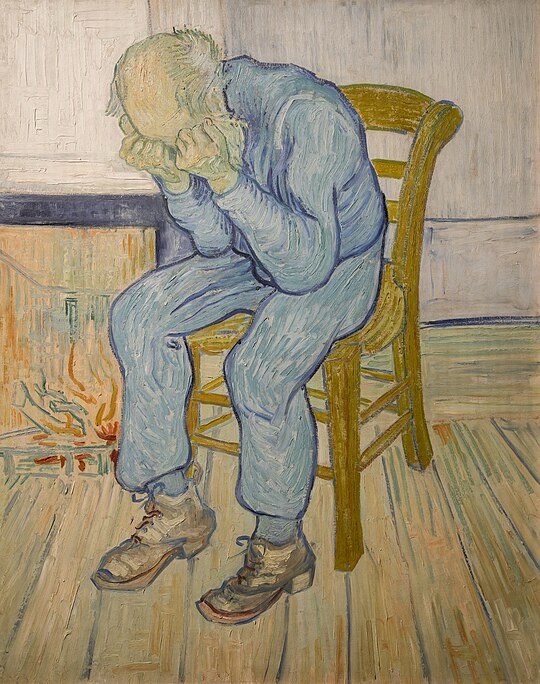
A deeply emotional painting of an elderly man with his head in his hands, symbolizing despair.
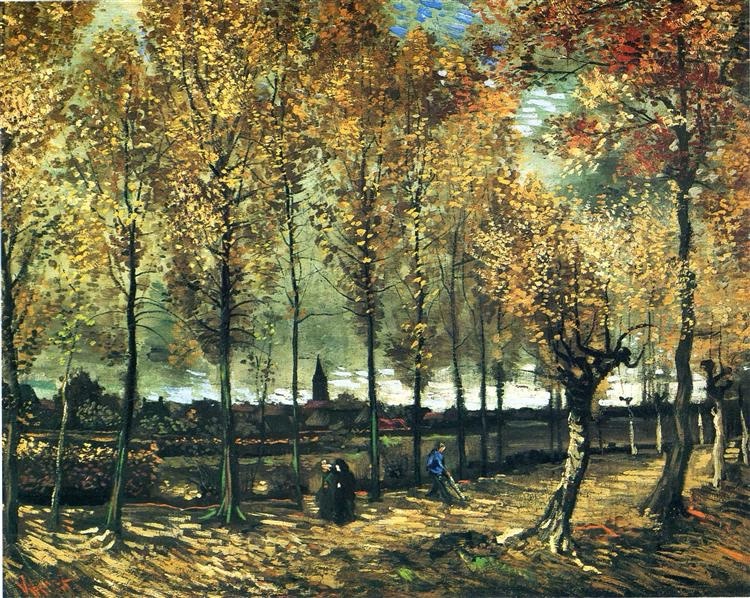
A moody, early landscape showing a tree-lined path with a solitary figure.
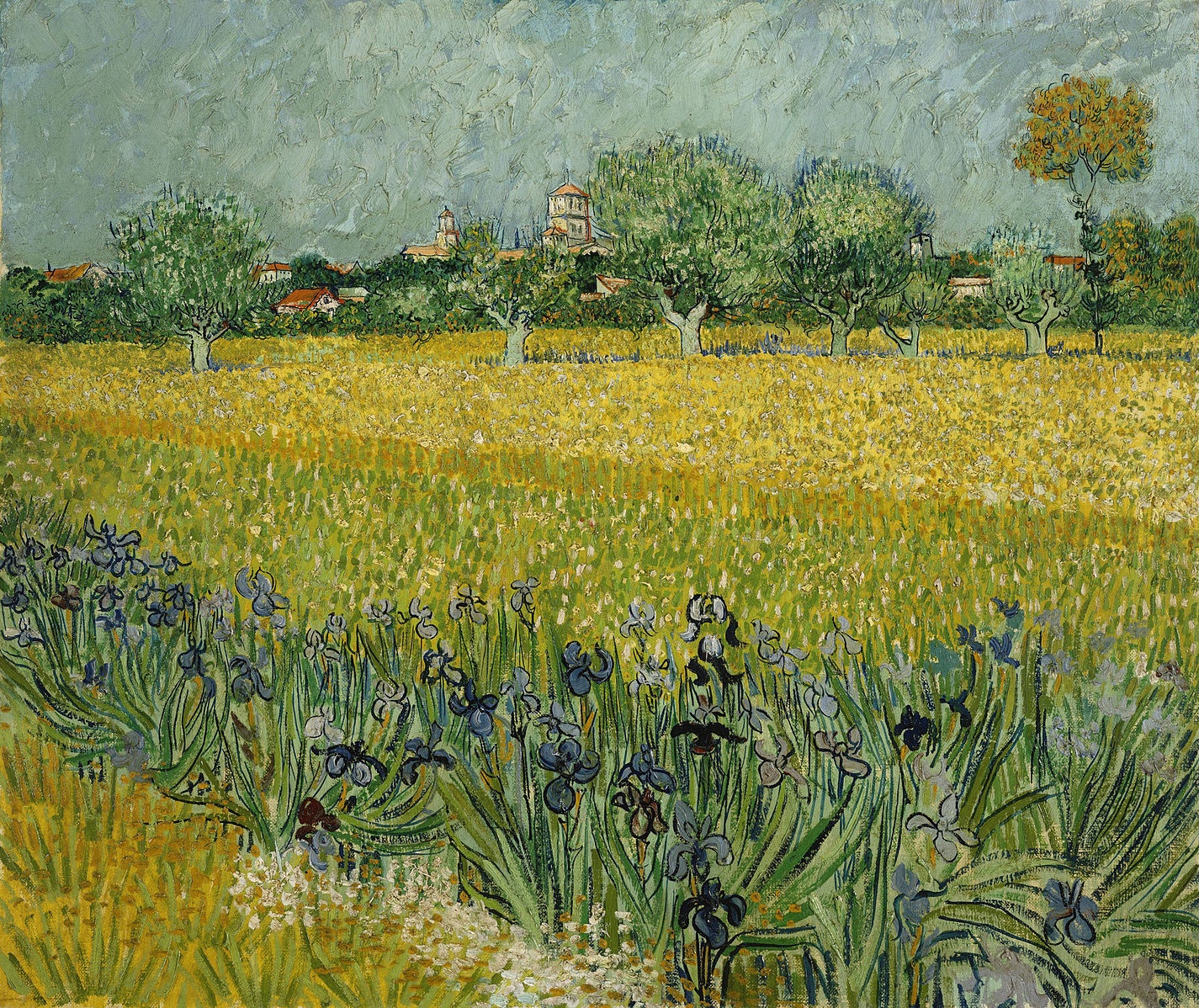
A bright and airy landscape, highlighting the countryside around Arles with Van Gogh’s signature expressive brushstrokes.
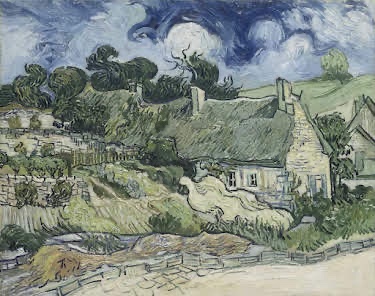
A rustic village scene painted in Auvers-sur-Oise, showing Van Gogh’s love for rural landscapes.
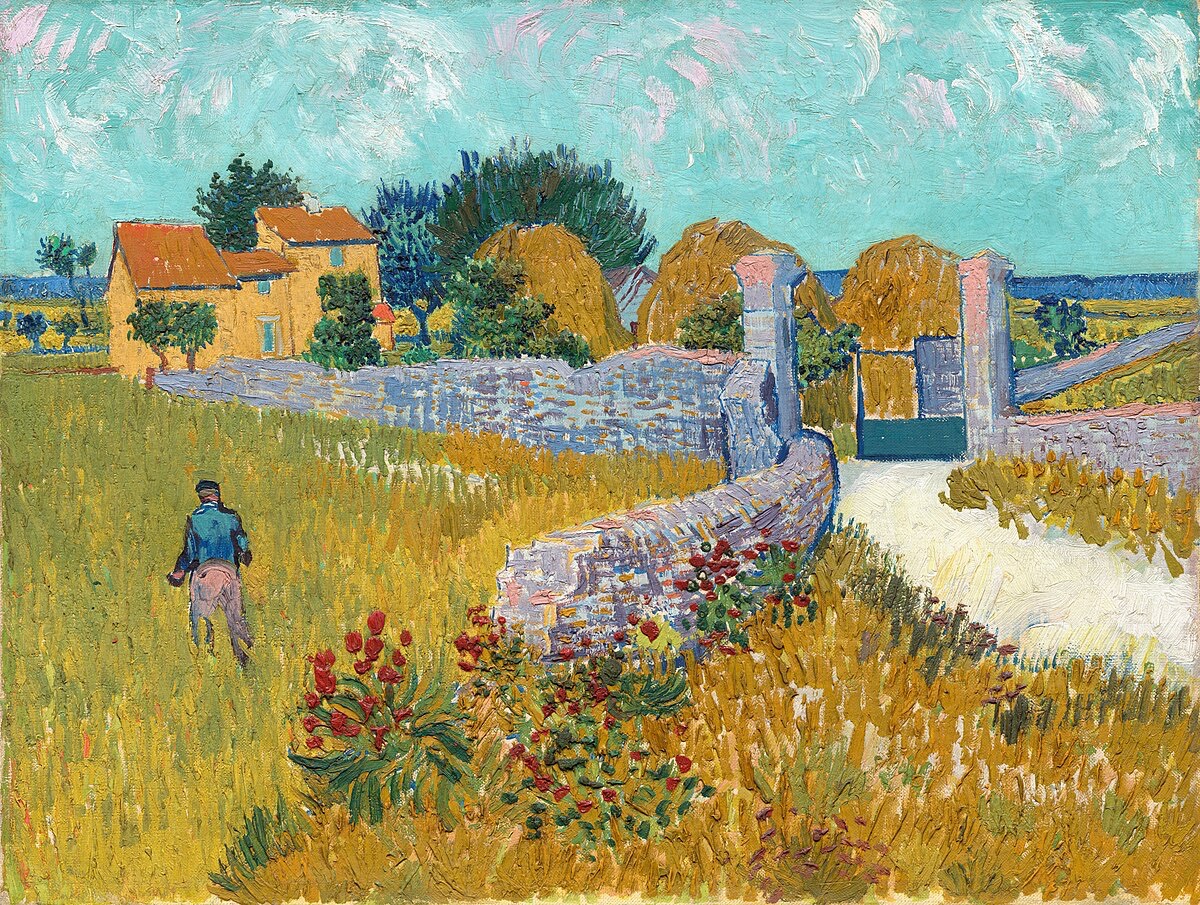
A charming depiction of a farmhouse surrounded by fields, reflecting the golden hues of the south of France.
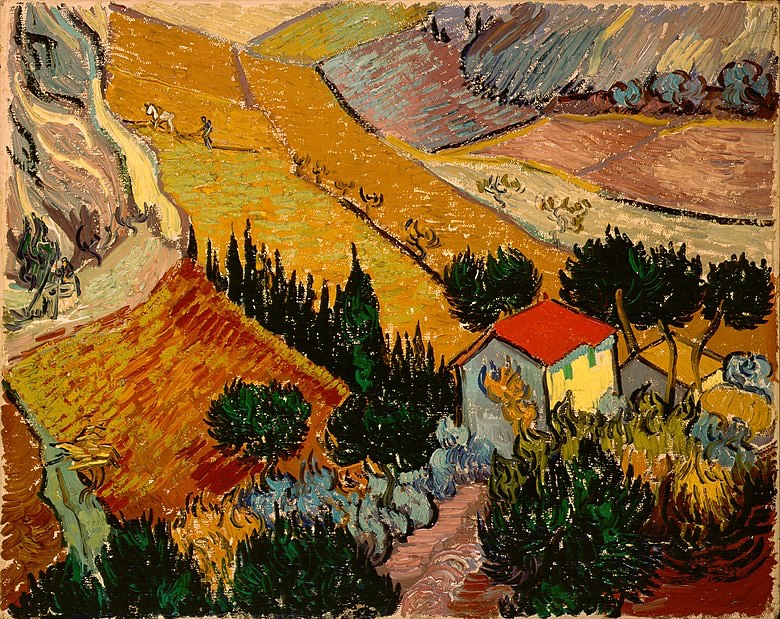
A dynamic countryside painting filled with bold brushstrokes and rich colors.
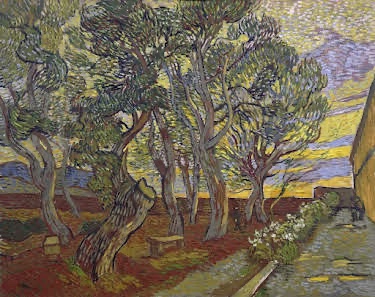
A peaceful yet expressive painting of the asylum garden where he spent time in Saint-Rémy.
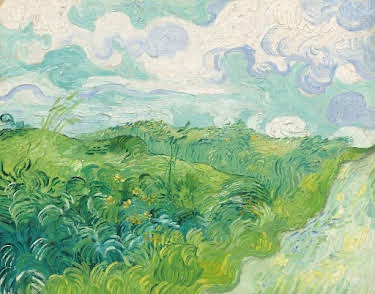
A bright and fresh landscape of wheat fields in Auvers, painted with a sense of movement.
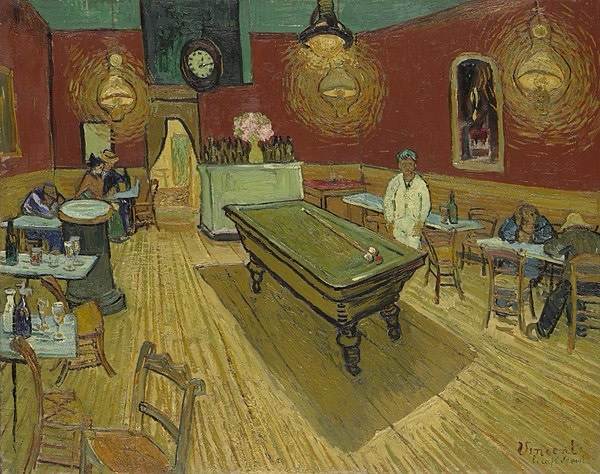
A striking and somewhat eerie depiction of a café in Arles, using deep reds and yellows to create an unsettling atmosphere.
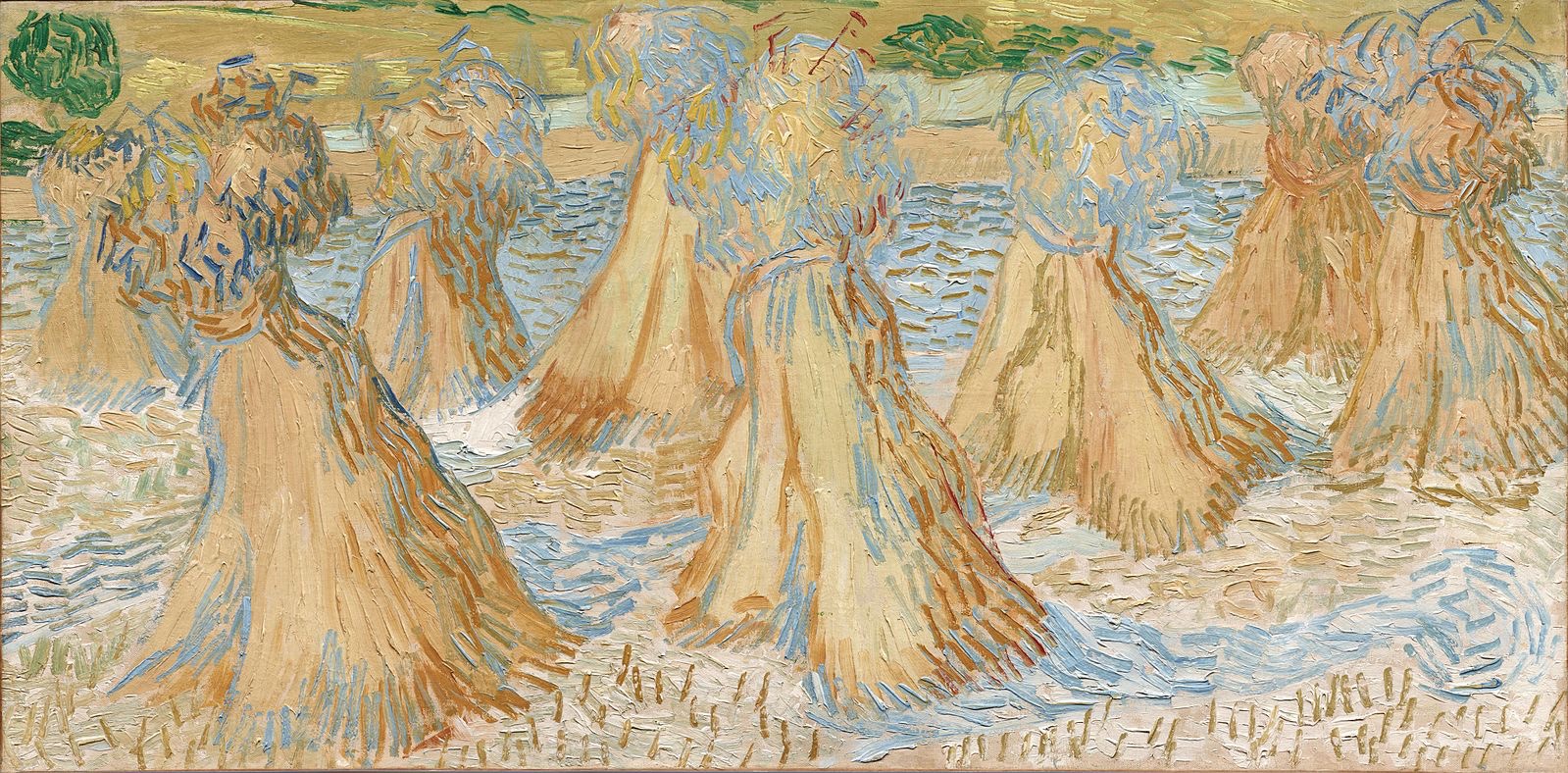
A simple but powerful painting of wheat stacks, showing his fascination with rural life.
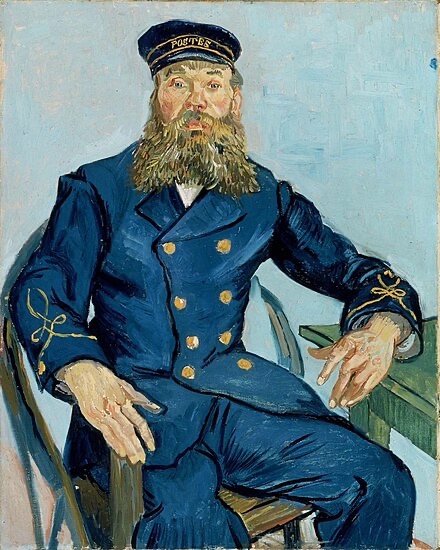
A lively and expressive portrait of his friend, a postman in Arles.
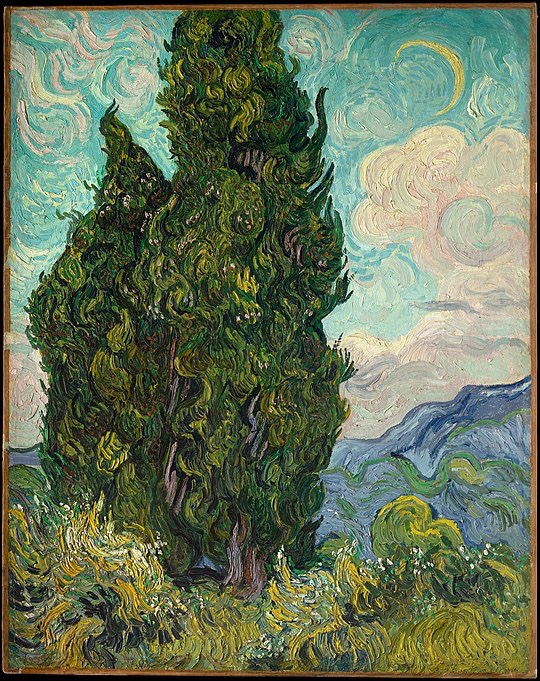
A dramatic and swirling depiction of tall cypress trees against a blue sky, painted with thick, textured brushstrokes.
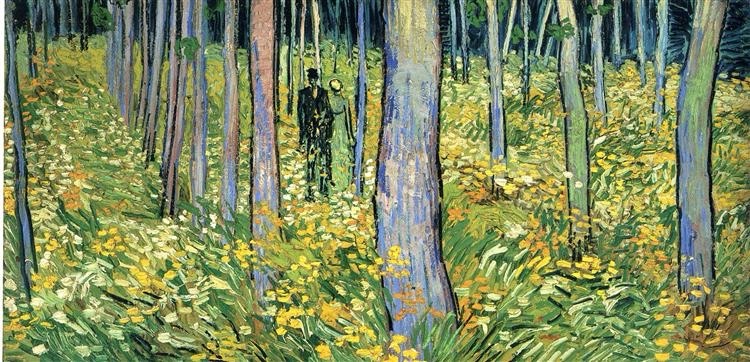
A mysterious and dreamy forest scene featuring two small figures among the trees.
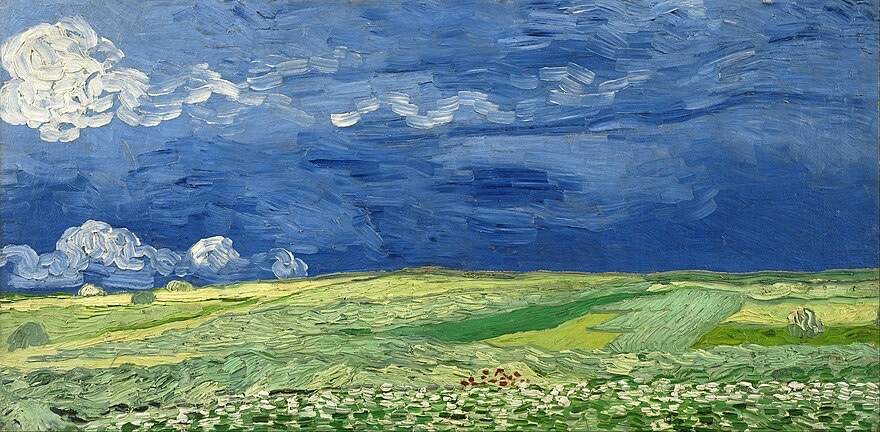
A dramatic painting of a vast wheat field beneath a dark, stormy sky, reflecting his intense emotions.
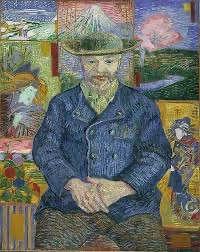
A colorful portrait of art dealer Julien Tanguy, with a Japanese print-inspired background.
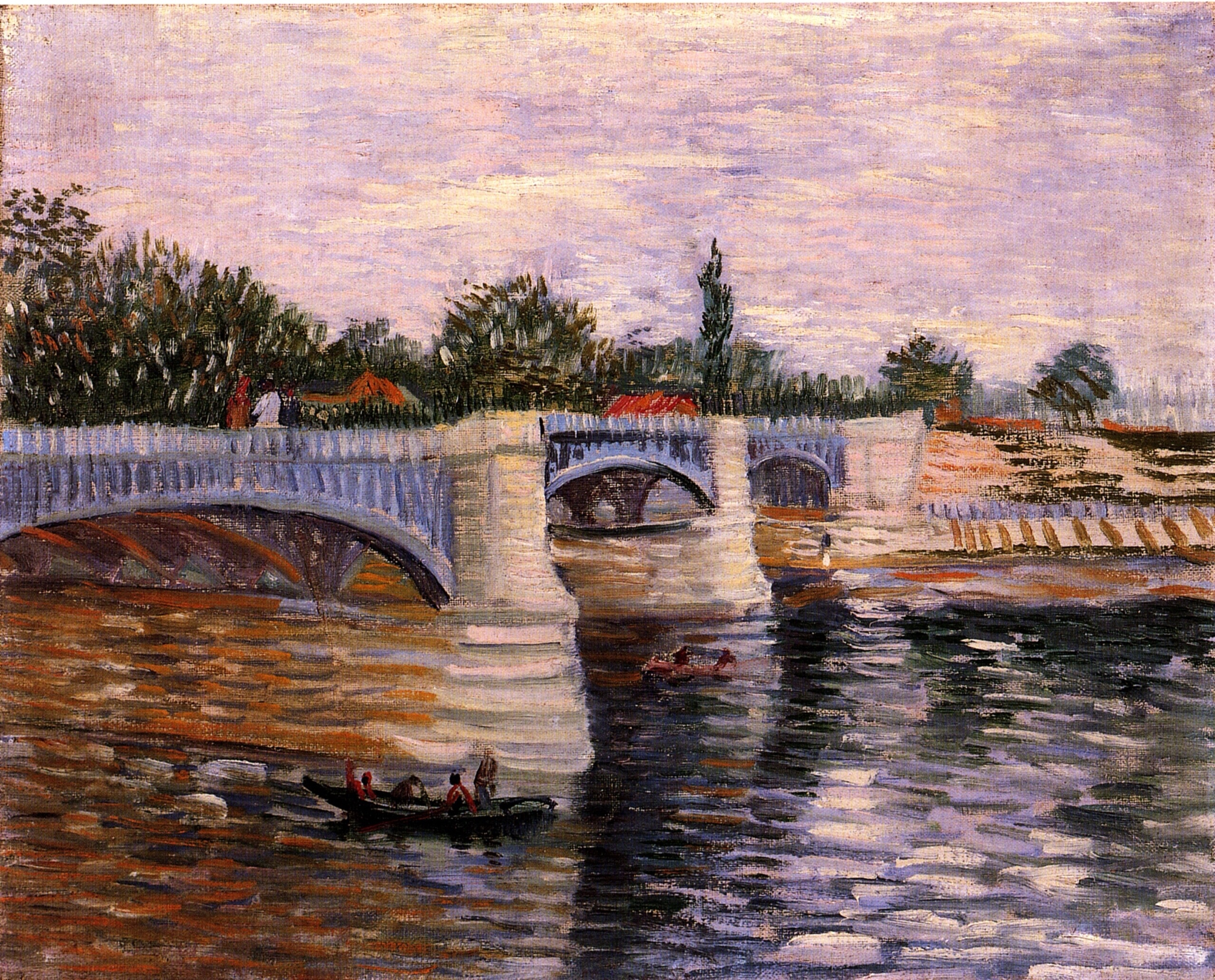
A bright and lively depiction of the Seine River in Paris with shimmering water.
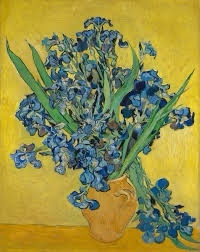
A stunning contrast of deep blue irises against a bold yellow backdrop.
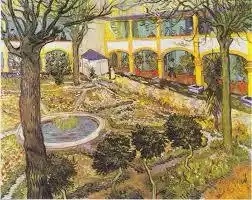
A vibrant depiction of the hospital where Van Gogh stayed after the ear-cutting incident.
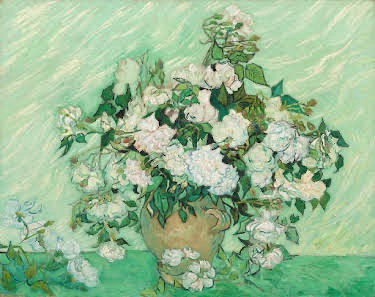
A soft and delicate floral painting, showing his gentler side.
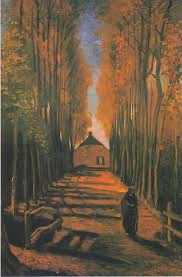
An early autumnal landscape, with a long tree-lined path in warm golden hues.
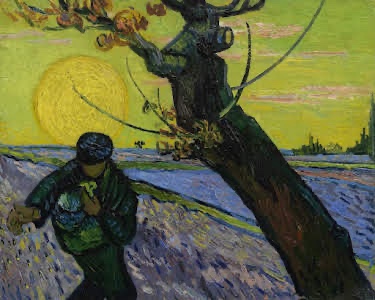
A symbolic painting of a farmer sowing seeds, with a glowing sun in the background, inspired by Jean-François Millet.
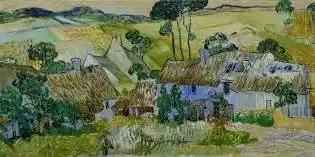
A peaceful countryside scene painted during his final months in Auvers-sur-Oise.
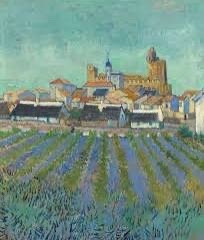
A colorful coastal landscape of a small Mediterranean fishing village.
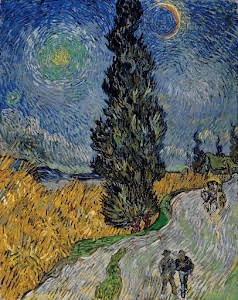
A swirling night scene with two travelers walking along a winding road under a glowing star.
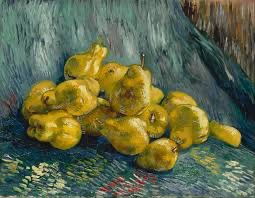
A bright and textured still life showcasing Van Gogh’s love for vibrant colors.
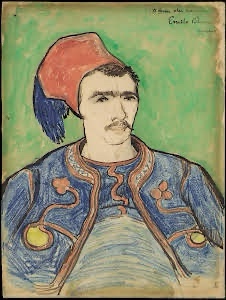
A portrait of a French soldier wearing a bright red uniform, painted with bold, expressive strokes.
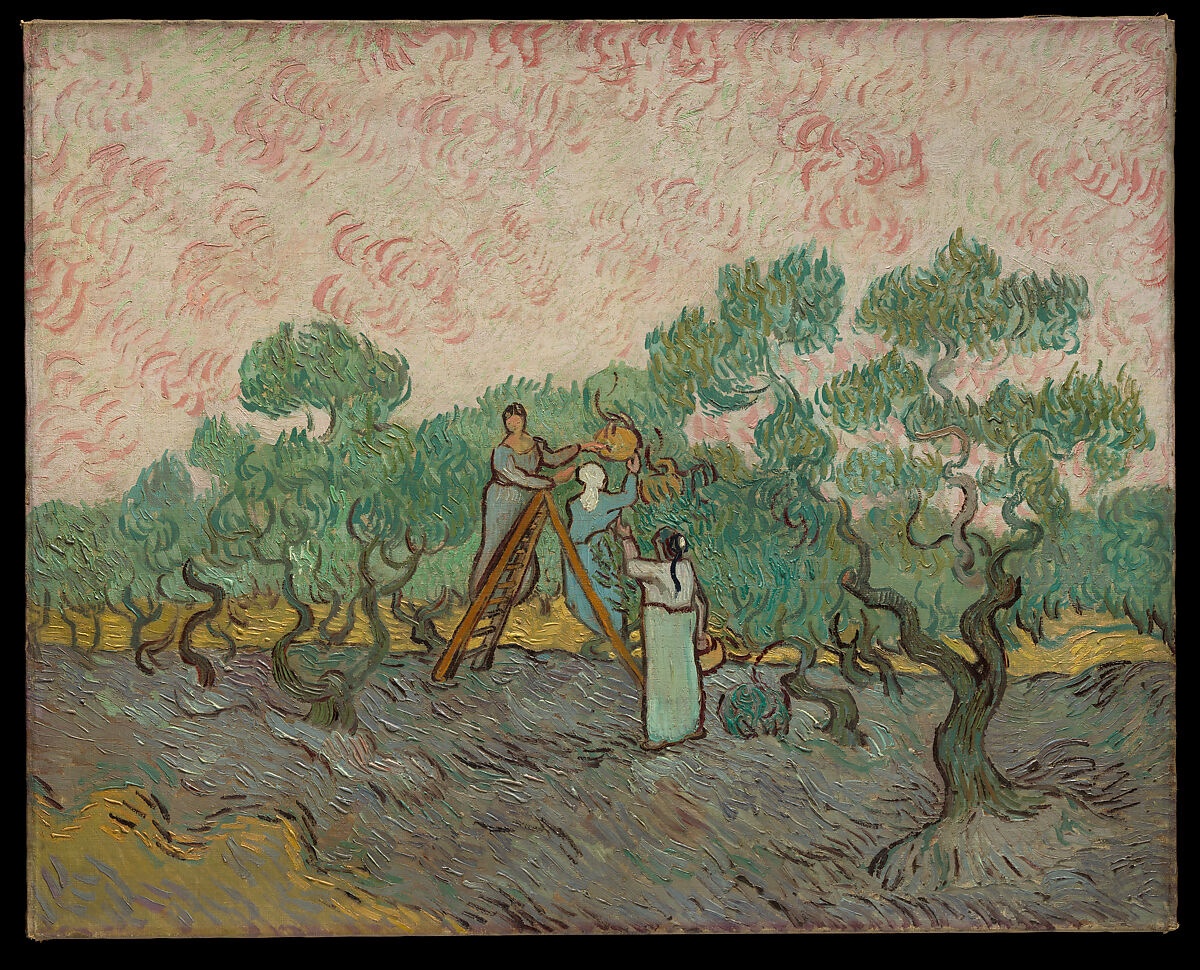
A peaceful depiction of women harvesting olives, created during his time at the Saint-Rémy asylum.
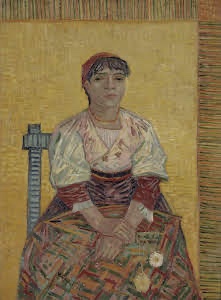
A striking portrait of an unknown woman with deep, expressive eyes, painted in Paris.
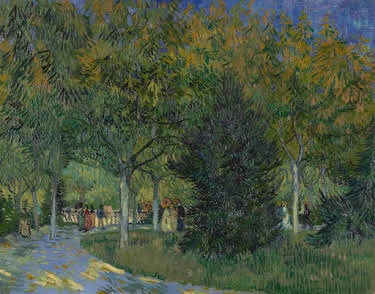
A lively park scene with people strolling beneath tall trees, capturing the warmth of Arles.
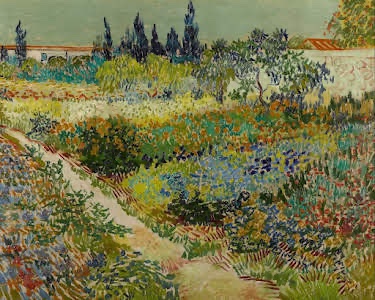
A beautiful garden painting filled with lush greenery and a sense of calm.
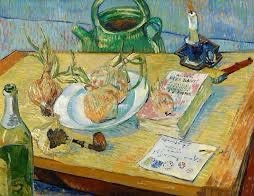
A simple yet detailed still life featuring onions, books, and a bottle, reflecting his everyday surroundings.
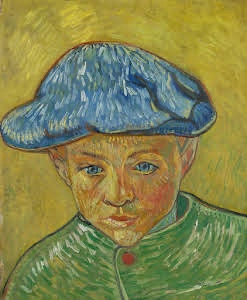
A warm and affectionate portrait of the young son of Van Gogh’s friend, postman Joseph Roulin.
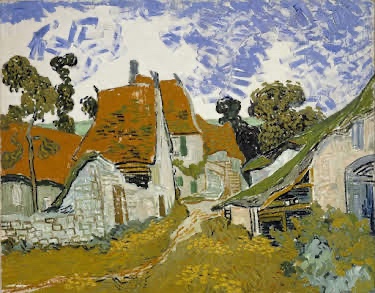
A charming village scene painted during his final weeks in Auvers-sur-Oise.
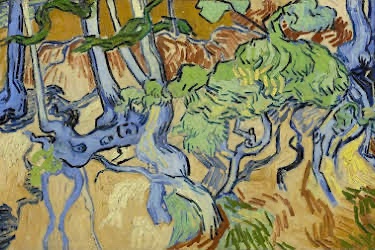
An abstract and dynamic painting of tangled tree roots, believed to be Van Gogh’s last work before his death.
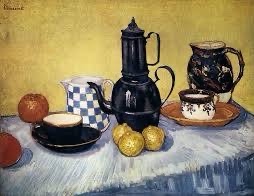
A warm and intimate still life featuring a coffee pot, cups, and fruit, painted in Arles.
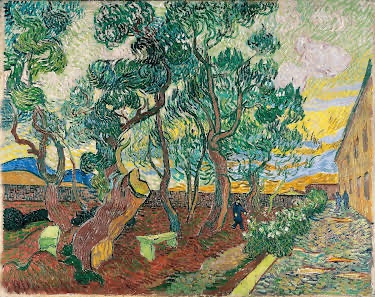
A colorful and expressive painting of the hospital garden where Van Gogh stayed in Saint-Rémy.
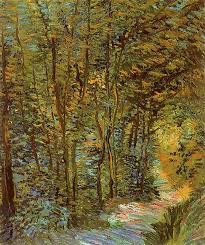
A peaceful, impressionistic forest scene with dappled sunlight filtering through the trees.
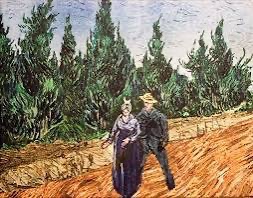
A romantic painting of a couple walking through a lush garden in Arles.
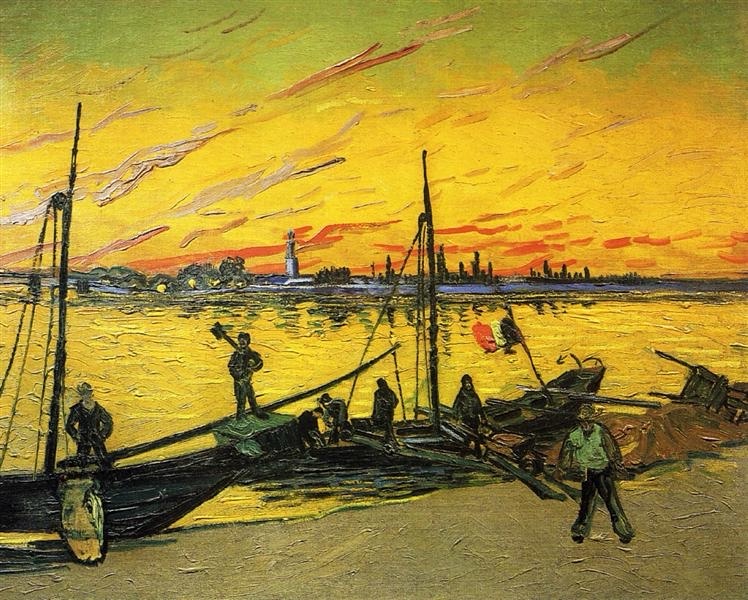
A striking and moody riverside scene showing coal barges under a glowing sky.
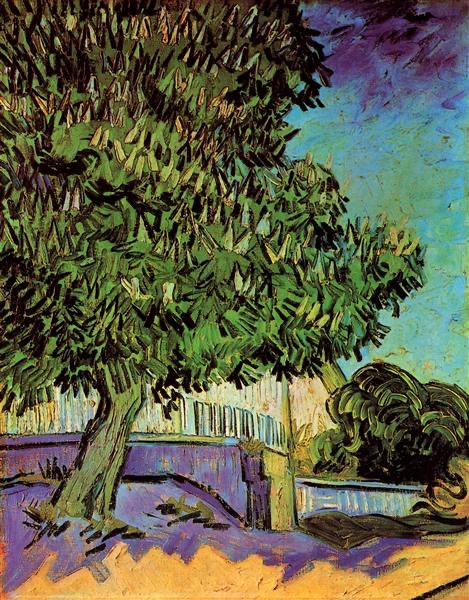
A fresh and lively springtime painting capturing chestnut trees in bloom.
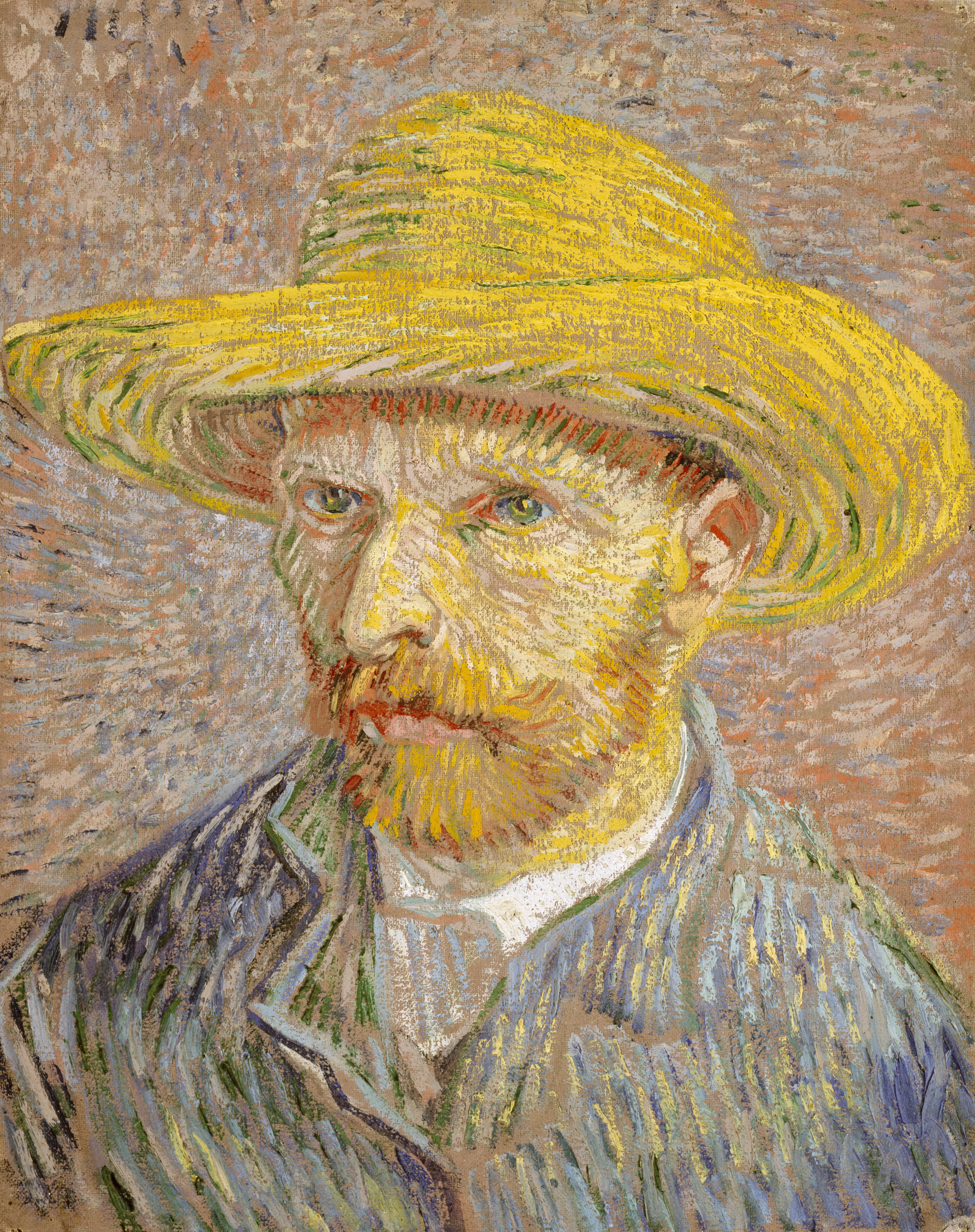
One of Van Gogh’s most famous self-portraits, showing his intense gaze and bright colors.
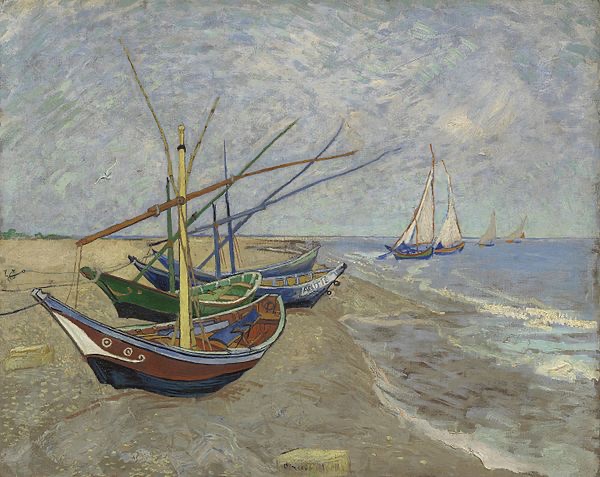
A vibrant marine painting depicting small boats sailing on the Mediterranean waves.
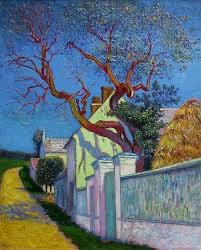
A depiction of the house in which Van Gogh stayed during his final months in Auvers-sur-Oise, with vibrant, lively colors.
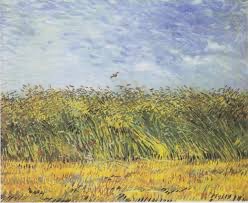
A peaceful, sunny wheat field painting with a lark flying above, symbolizing freedom and optimism.
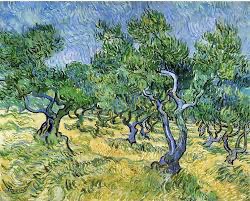
A textured, expressive painting of the olive trees around Saint-Rémy, capturing the earthy, tranquil scene.
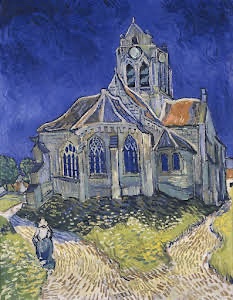
A dramatic and sweeping painting of the church in Auvers-sur-Oise, using bold strokes to convey movement and emotion.
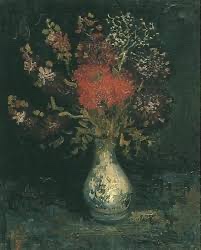
A soft still life showcasing a beautiful collection of flowers, with Van Gogh’s evolving brushwork.
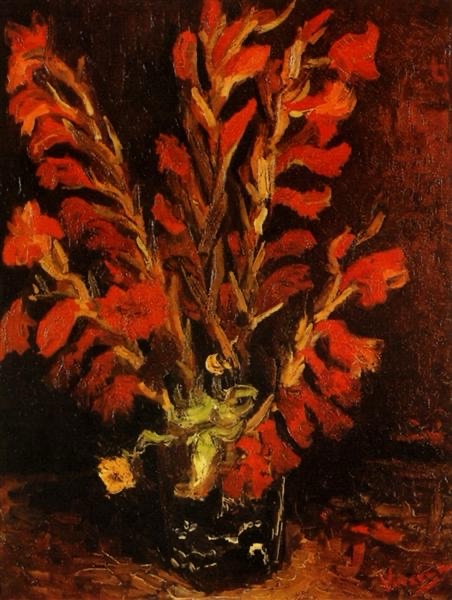
A striking still life that features a vibrant vase filled with red gladioli flowers.
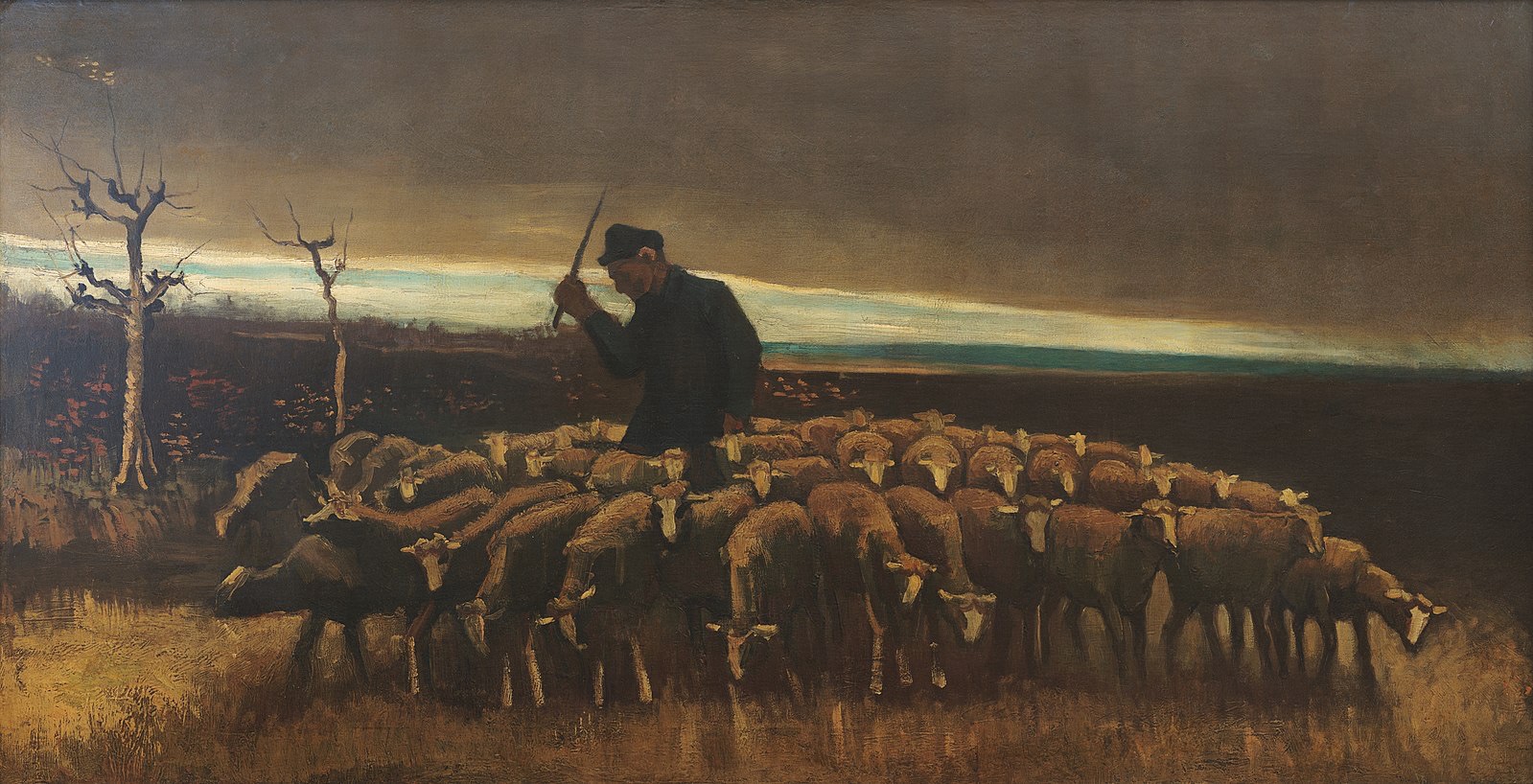
A pastoral scene of a shepherd walking with his flock of sheep through the fields of Saint-Rémy
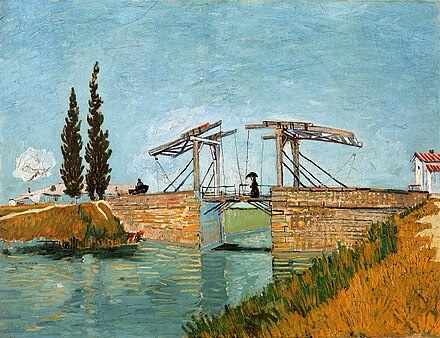
A charming painting of a stone bridge in Arles, rendered in bold, vibrant colors with thick brushstrokes.
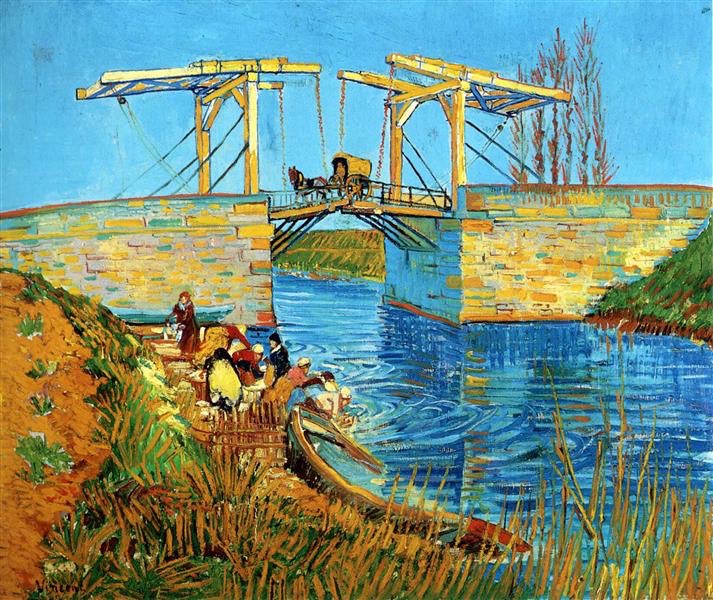
A painting of a small bridge in Arles, inspired by Japanese prints, with women doing laundry by the water.
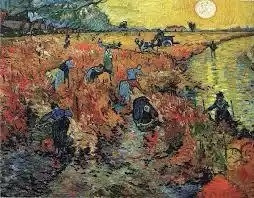
One of the few paintings Van Gogh sold during his lifetime, it depicts workers in a red vineyard under a setting sun.
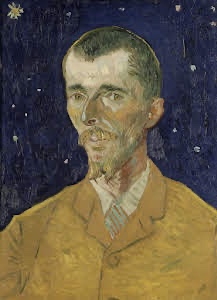
A colorful portrait of the Belgian artist Eugène Boch, capturing his gentle expression and thoughtful demeanor.
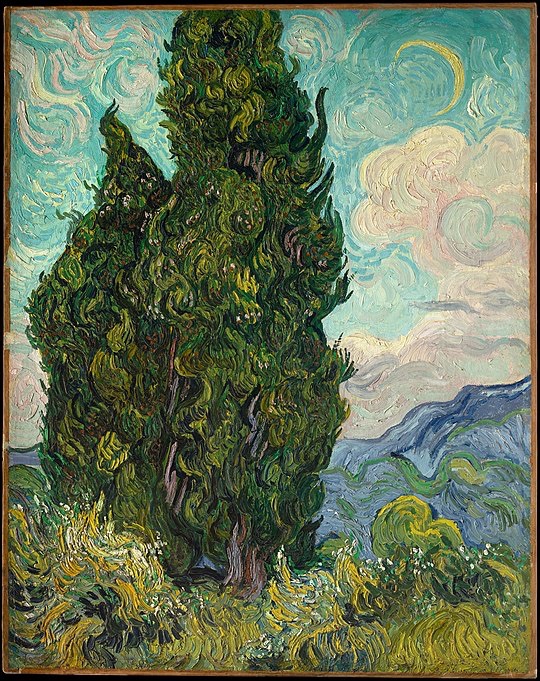
A dramatic depiction of cypress trees swirling under a star-filled sky, showcasing Van Gogh’s emotional intensity.
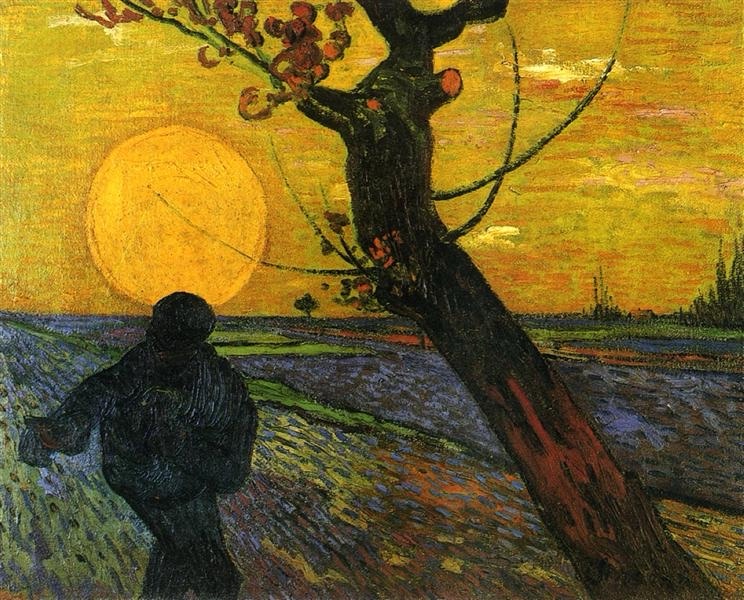
Oil painting depicting a farmer sowing seeds in a field under a vibrant setting Sun.
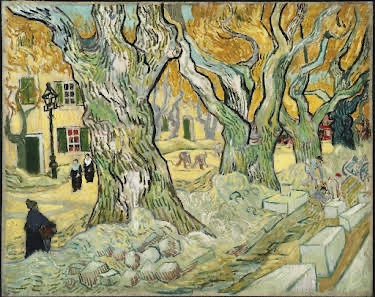
A depiction of workers repairing a road in the countryside, showing Van Gogh’s interest in labor and rural life.
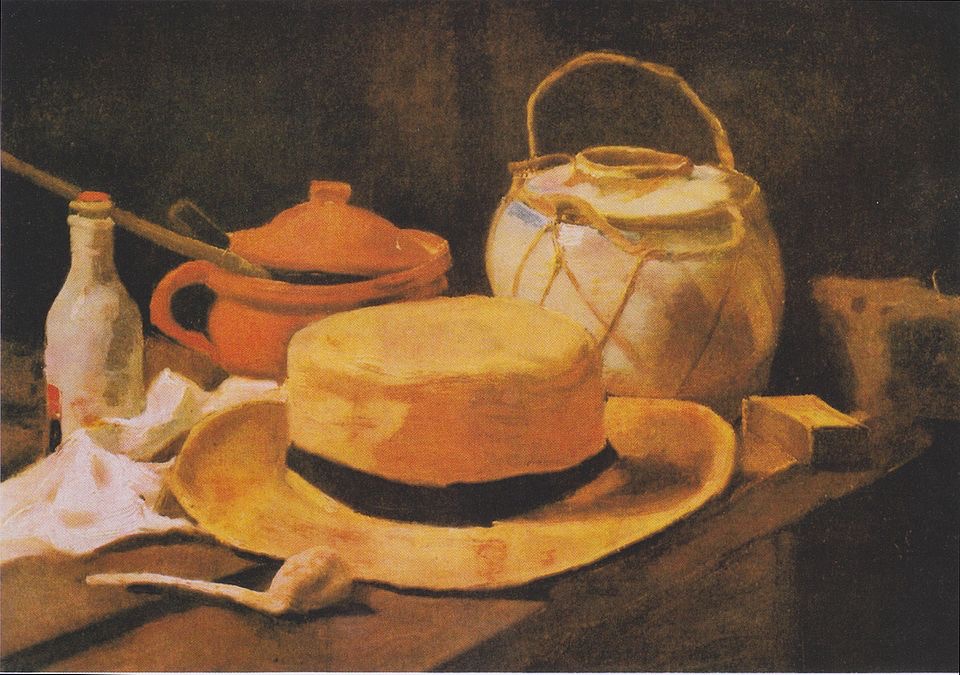
A vibrant still life painting featuring a straw hat, flowers, and other objects in Van Gogh’s signature style.
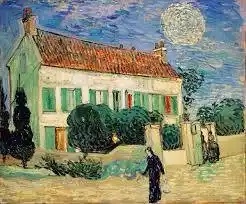
A nighttime landscape with a glowing White House, showing Van Gogh’s characteristic brushwork and use of light.
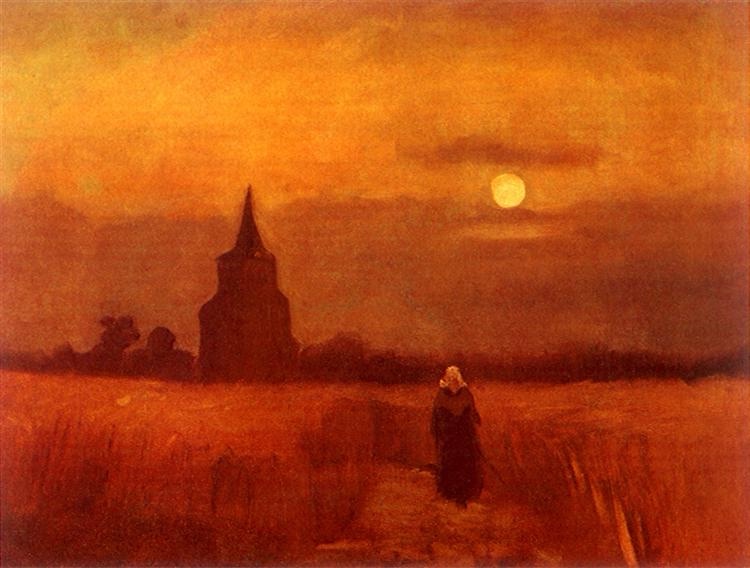
A landscape painting of a tower near Paris, showing Van Gogh’s attention to architectural details.


 Reo's Gallery & Books [RGB]
Leave a comment